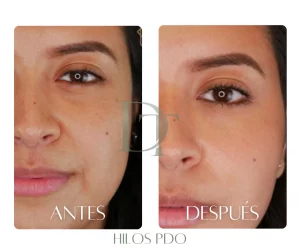
Blepharoplasty in Colombia: prices, recovery and real results – Your complete guide
If you are noticing tired eyes, sagging eyelids, or wrinkles around your gaze, you are not alone. Many adults feel that their eyes do not reflect their true vitality, especially as time passes and signs of aging become more apparent. The search for a fresher, rejuvenated appearance around the eyes often leads people to consider blepharoplasty, but with so much information (and misinformation) circulating about prices, techniques, and results, it can be difficult to separate reality from myth.
In this complete guide, we’ll help you understand blepharoplasty in Colombia: prices, recovery and real results, including the types of interventions available, their benefits and risks, care before and after, and what criteria you should consider for a safe and natural outcome. All information here is educational, based on medical knowledge, and does not replace an individual assessment by a qualified aesthetic medicine professional.
What is blepharoplasty and how does it work?
Blepharoplasty is a medical procedure designed to rejuvenate the area around the eyes by addressing excess skin, fat herniation, and sagging of the eyelids. In Colombia, modern blepharoplasty options include both surgical and minimally invasive, non-surgical approaches, such as so-called ‘dual blepharoplasty’ that combines technologies for a natural look without the downtime of traditional surgery.
The main goals of blepharoplasty are:
- Improving eyelid contour without altering your facial expression
- Giving a rested and youthful look to tired or heavy eyelids
- Reducing excess skin, bags, or localized fat on upper and lower eyelids
- Balancing function and aesthetics, respecting your natural features
It’s important to understand that not all cases require surgery; minimally invasive methods, such as radiofrequency or plasma devices, can offer subtle and progressive results for selected candidates.
Types of blepharoplasty: surgical and non-surgical
Choosing between surgical and non-surgical blepharoplasty depends on your anatomy, expectations, and the degree of aging signs present. Let’s review the main types:
- Surgical blepharoplasty: Classical approach where the surgeon removes excess skin and, if necessary, fat through small incisions. It can be performed on upper, lower eyelids, or both, usually with minimal visible scarring. It provides more dramatic and long-lasting results.
- Non-surgical (dual) blepharoplasty: Combines advanced technology (such as plasma, radiofrequency, or laser) with minimally invasive techniques. It’s ideal for milder cases of sagging or when the patient prefers to avoid surgery. Recovery is much quicker, and the risk of complications is lower, but results are usually more subtle and require strict patient selection.
A personalized medical evaluation is essential to identify the most suitable approach for you.
Main benefits of eyelid rejuvenation
- Brighter, rested, and rejuvenated gaze without exaggerated changes
- Improved self-confidence and greater harmony in your overall appearance
- Reduction of eyelid bags, heavy eyelids, or fine wrinkles in the periocular area
- The possibility of combining with other facial antiaging treatments for global rejuvenation
Results should always favor naturalness and respect for your expressive features. At Dra. Deysi Torres M., treatment plans are based on realistic, attainable goals and personalized protocols.
Who is a candidate for blepharoplasty?
A good candidate for blepharoplasty usually:
- Is concerned about excess upper/lower eyelid skin, eyelid bags, or sagging around the eyes
- Enjoys overall good health and does not have serious uncontrolled medical conditions
- Seeks discreet, gradual improvement—not a «frozen» or radically altered look
- Has realistic expectations and understands the scope and limitations of each procedure
Who should not undergo blepharoplasty?
- People with active eye infections or untreated chronic conditions (e.g., severe dry eye, untreated glaucoma)
- Patients with unrealistic expectations about results
- Individuals with certain clotting or healing disorders (must be evaluated on a case-by-case basis)
Each assessment at Dra. Deysi Torres M. includes a comprehensive review of medical history and careful analysis of eyelid anatomy before recommending any procedure.
Step-by-step: what to expect from the procedure
Whether surgical or non-surgical, eyelid rejuvenation follows a protocol designed for safety and predictability. While each case is unique, the typical patient journey includes:
- Medical and aesthetic evaluation: Review of facial balance, eyelid anatomy, and expectations.
- Treatment planning: Selection of the most suitable technique (surgical or not) and explanation of expected outcomes, possible risks, and necessary precautions.
- The procedure: Performed in a safe, clinical environment. Anesthesia is adapted to the technique (local or minimal sedation for surgery, topical for non-surgical).
- Immediate post-procedure: Brief period of observation and delivery of detailed home care instructions.
- Follow-up: Medical check-ups and personalized recommendations to optimize recovery and results.
Further details are always tailored during the evaluation; protocols may vary according to individual needs.
Results, duration, and recovery after blepharoplasty
When will you notice changes? Swelling and bruising are common in the first few days, more so with surgery than with non-surgical treatment. Most patients notice significant improvement between 1 to 4 weeks.
With non-surgical options, changes are progressive and may require more than one session for optimal results.
How long do the results last?
- Surgical blepharoplasty: Results can last 5-10 years or longer, especially if you follow medical advice and healthy lifestyle habits.
- Non-surgical blepharoplasty: Usually offers results lasting months to a couple of years, depending on skin quality, aging, and care.
Over time, the natural aging process continues, but proper maintenance can prolong improvements. To learn more about maintaining the effects, see this guide on maintaining results after blepharoplasty.
Risks, side effects, and how to stay safe
No medical procedure is completely risk-free. Adverse effects are infrequent when blepharoplasty is done by qualified specialists, but being informed is essential. Common, usually temporary effects include:
- Swelling and bruising
- Tightness or discomfort in the eyelid area
- Mild tearing or dry eyes
- Redness or slight asymmetry during the healing phase
Warning signs to consult your doctor immediately:
- Severe pain, uncontrolled bleeding, or pus-like discharge
- Sudden vision changes
- Fever or signs of infection
Risks are minimized by:
- Selecting a certified aesthetic doctor or surgeon
- Following pre- and post-procedure recommendations closely
- Open communication about your medical history and medications
Serious complications are rare but can include visible scarring, prolonged asymmetry, or eyelid retraction. These are best prevented through proper technique and strict case selection.
For information on choosing a safe clinic and trustworthy professional, consult this article about safe aesthetic clinics and how to choose your doctor.
What is the cost of blepharoplasty in Colombia?
The price of blepharoplasty varies based on the technique (surgical or non-surgical), the complexity of the case, and the credentials of the professional. Other factors influencing price include:
- Level of technology or equipment used
- Anesthesia and clinical facilities
- Post-operative care and follow-up included
While it’s important to compare options, prioritize quality, safety, and expert care above cost alone. Avoid offers that look too good to be true or providers who do not offer a thorough medical evaluation. For those living in or visiting Bogotá, Colombia, costs may be competitive compared to other countries, but prices should always reflect specialized expertise and the use of certified products and equipment.
If you want a detailed quote and an individualized treatment plan, contact Dra. Deysi Torres M.
Care before and after blepharoplasty
Proper preparation and aftercare are crucial for minimizing risks and optimizing results.
Before the procedure
- Avoid anti-inflammatories, herbal supplements, and medications that thin the blood, as instructed by your physician
- Stop smoking several weeks before and after
- Maintain facial skin well hydrated and protected from sun exposure
After blepharoplasty
- Use cold compresses to reduce swelling (only as directed)
- Sleep with your head elevated
- Strictly follow prescribed cleaning and medication guidelines
- Do not rub or apply makeup until cleared by your doctor
- Avoid strenuous activity and high temperatures (gyms, saunas) during initial recovery
For an in-depth checklist and practical tips, read this guide on post-blepharoplasty care.
Frequently asked questions about blepharoplasty in Colombia
- Is blepharoplasty painful?
- Discomfort is generally mild and well managed with appropriate anesthesia. Most patients experience only a sensation of tightness or swelling for several days.
- How soon can I return to work after a blepharoplasty?
- Most people resume light activities within 3–7 days with non-surgical techniques, and 7–14 days after surgical procedures, depending on their healing rate.
- Are the results natural? Will others notice I’ve had «work done»?
- Properly done, blepharoplasty should not produce a «surprised» or unnatural look. The aim is for your eyes to seem fresher but not obviously altered.
- Can blepharoplasty be combined with other facial treatments?
- Yes, procedures like PDO threads, botulinum toxin, or endolifting may complement results if indicated in your assessment. Learn about treatment combinations in this comparative guide.
- Are there alternatives if I don’t want surgery?
- There are minimally invasive treatments for specific indications. Your doctor can advise you on non-surgical dual blepharoplasty and other non-invasive approaches.
- Can anyone undergo blepharoplasty?
- No. Each patient requires a medical assessment to determine eligibility, taking medical history and lifestyle factors into account.
- Can results be maintained over time?
- Results are long-lasting but not permanent, as natural aging continues. Proper maintenance and follow-up help optimize the longevity of your eyelid rejuvenation; learn more here.
Conclusion: making informed decisions for natural, safe eyelid rejuvenation
Blepharoplasty in Colombia offers a wide range of solutions for those seeking a refreshed look and greater confidence. However, there is no «one-size-fits-all» approach—each person requires thorough, personalized assessment and individualized care. Remember, your safety and natural features come first.
If you’re considering eyelid rejuvenation, trust your process to professionals with proven experience in minimally invasive facial medicine and a focus on responsibility, like Dra. Deysi Torres M. Our approach prizes ethical evaluation, realistic outcomes, and supportive follow-up throughout the journey.
Schedule an appointment to discover which facial antiaging alternative is best for you—your gaze deserves personalized, expert care. For more insights, review our article on future trends in aesthetic facial medicine and feel confident choosing the most suitable treatment for your needs. Always remember: this information is educational and does not replace a direct medical consultation with a qualified aesthetic medicine specialist in Bogotá, Colombia or your city.
Reviewed by the experienced team of Dra. Deysi Torres M., committed to safe, natural, and progressive facial revitalization based on evidence and real-life results.

medicina estética Colombia, blefaroplastia cerca de mi, cirugía de párpados Bogotá, blefaroplastia Pasca, cirugía de párpados Choconta, rejuvenecimiento de párpados Gachancipa, blefaroplastia precio Facatativa, tratamiento para párpados caídos Chia, blefaroplastia sin cirugía Acacias, blefaroplastia en San Francisco Cundinamarca