Botox for Bunny Lines: Treating Nose Wrinkles Without Overdoing It
Do faint lines appear across your nose bridge when you laugh or smile? If so, you’re not alone—a growing number of adults notice these so-called “bunny lines” as part of the natural aging process. With so much information and so many aesthetic options available, it’s easy to feel overwhelmed by myths and conflicting advice about facial rejuvenation methods and their results. Some worry about unnatural looks or losing unique expressions, while others seek subtle improvements to restore a fresher appearance.
This comprehensive guide explains how Botox can be used, when indicated, to soften bunny lines around the nose without overdoing it. You’ll learn what bunny lines are, how the treatment works, who may benefit (and who should avoid it), as well as safety considerations, realistic expectations, and self-care tips. Remember: the information below is educational and never replaces a personal evaluation by a qualified medical professional. Each step respects your individuality—because natural results and your well-being come first.
What Are Bunny Lines and Why Do They Appear?
Bunny lines are horizontal or slightly diagonal wrinkles that develop on either side of the nose, often visible when you smile, squint, or scrunch your nose. They form over time due to repeated movement of the nasal muscles, thinning skin, and decreased collagen production. For many adults, these lines can become more pronounced with age, sun exposure, or even after repeated use of cosmetic injectables in other facial areas, leading the nose muscles to compensate more.
How Does Botox Work for Treating Bunny Lines?
Botox (botulinum toxin type A) is a trusted neuromodulator approved for reducing dynamic facial wrinkles by temporarily relaxing targeted muscles. For bunny lines, small doses are gently injected into specific nasal muscles (typically the levator labii alaeque nasi and sometimes the nasalis muscle). This selective relaxation smooths dynamic lines caused by frequent movement, softening their appearance when you smile or make facial expressions.
- Subtle, localized treatment preserves your natural expressions.
- The goal: soften lines—not freeze your face or alter your character.
- Results typically develop gradually over several days, peaking around two weeks after treatment.
What Is the Difference Between Bunny Lines and Other Facial Wrinkles?
Bunny lines are unique because they cross the bridge or sides of your nose, differing from crow’s feet (outer eyes) or glabellar wrinkles (frown lines). Tailoring Botox to bunny lines requires precise assessment to avoid overcorrection or an unnatural appearance.
Benefits of Botox for Bunny Lines: What to Expect
- Smoother nasal area: Reduced dynamic lines for a refreshed look.
- Natural expression: Proper technique ensures facial features remain mobile and personalized.
- Minimally invasive: Fast, low-discomfort procedure with little to no downtime.
- Boost in confidence: Many patients report feeling more rested and self-assured after correcting this subtle sign of aging.
- Targeted approach: Avoids excessive correction in other areas—perfect for those tired of “one-size-fits-all” aesthetics.
It’s important to state that the effects are temporary; maintenance is generally needed every 3-6 months, depending on your facial movement and lifestyle.
Who Is a Candidate for Botox in Bunny Lines—and Who Is Not?
Not everyone with nose wrinkles will benefit from or require Botox. A qualified professional, like those at Dra. Deysi Torres M., performs a thorough evaluation before any procedure to ensure safe, natural-looking results.
- Ideal candidates include:
- Adults bothered by dynamic bunny lines during smiling or expression.
- People seeking minimally invasive corrections with minimal downtime.
- Those with realistic expectations about subtle, gradual changes—not dramatic transformations.
- Not recommended if:
- You have allergic reactions to botulinum toxin.
- You are pregnant, breastfeeding, or have certain neuromuscular disorders.
- Bunny lines are deep static wrinkles at rest (these may require alternate or combination treatments).
Every plan should be tailored after a face-to-face assessment. Self-diagnosing or requesting “just a bit of Botox here” based on photos is never advisable. Always seek guidance from an experienced, certified medical aesthetics professional.
Procedure Overview: What to Expect from Consultation to Follow-Up
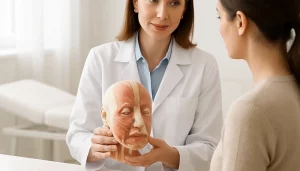
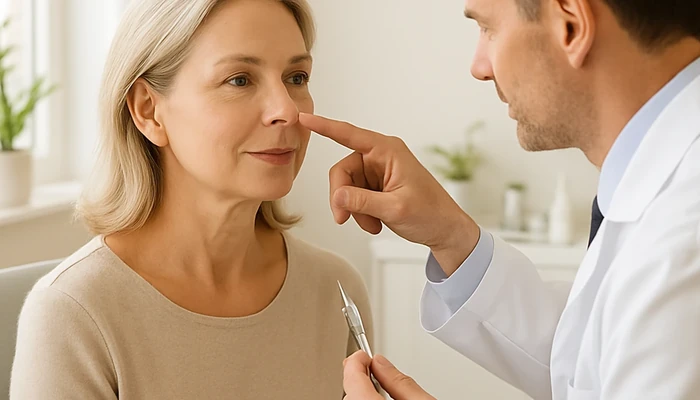
- Assessment and consultation: The doctor examines your facial anatomy, expressions, and discusses goals and concerns. Individual risks, medical history, and previous treatments are reviewed.
- Preparation: Minimal to no pre-procedure preparation. It is best to avoid blood thinners if possible and inform your doctor about any medications or supplements.
- Injection process: Using a very fine needle, micro-doses are injected precisely into the indicated nasal muscles. The procedure takes only a few minutes.
- Aftercare and monitoring: Brief monitoring in the clinic is standard. Most patients return to daily activities immediately.
- Follow-up: An optional control appointment after 10–14 days enables the provider to review results and make any needed adjustments for harmony and safety.
Protocols always prioritize your safety and comfort. Dra. Deysi Torres M. emphasizes a personalized approach, adapting techniques to your facial anatomy and expectations.
Results Timeline: How Soon and How Long Do You See Improvements?
- Changes may be noticed within 3–5 days, with maximal results at 10–14 days.
- Effect duration varies (typically 3–6 months), depending on individual muscle activity and metabolism.
- Gentle, progressive changes—no sudden «paralyzed» look.
- Repeat sessions may be spaced as needed, always guided by thorough, personalized assessment.
The result is subtle yet effective softening of nose wrinkles, restoring youthful movement and appearance, without sacrificing authenticity.
Risks, Side Effects, and Safety Considerations
Like all medical aesthetic procedures, Botox for bunny lines is generally safe when performed by an experienced professional. Still, every intervention carries potential risks. Common, generally mild effects include:
- Redness, pinpoint bruising, or swelling at injection sites, usually resolving within hours or days.
- Temporary mild tenderness.
- Rarely, mild asymmetry or overcorrection that generally fades as the medication wears off.
- Extremely rare: Localized facial weakness or unintended spread to adjacent muscles.
Warning signs to seek prompt reassessment:
- Difficulty breathing or swallowing.
- Severe swelling, allergic reaction, or visual changes.
- Any unexpected adverse event after treatment.
Choosing a certified doctor with experience in facial anatomy greatly reduces these risks. If you notice anything out of the ordinary, contact your aesthetic physician promptly. Remember, each step aims for security and gradual improvement, not rushed or excessive changes.
Pre- and Post-Treatment Care: Tips for Optimal Results
Before Botox Treatment
- Avoid blood thinning medication or supplements (aspirin, vitamin E, fish oil) if possible—always discuss first with your provider.
- Limit alcohol for 24–48 hours prior.
- Arrive with clean skin and without makeup if possible.
After Botox Treatment
- Remain upright for at least four hours—avoid lying down or strenuous exercise.
- Don’t massage the injection area.
- Wait to apply makeup; your provider will indicate when it is safe.
- Contact your clinic if there is significant swelling, bruising, or other concerns.
- Trust the gradual unfolding of results over 1-2 weeks.
Well-chosen treatments are complemented by healthy lifestyle habits and sun protection, supporting longer-lasting, natural-looking results.
Botox vs. Other Treatments for Bunny Lines: When to Consider Alternatives
Bunny lines are dynamic wrinkles. In some cases, if wrinkles are deep even at rest, complementary methods (such as hyaluronic acid fillers, microneedling, or advanced resurfacing) may be discussed by your provider. Hilos PDO, commonly used for facial lifting, are generally not indicated for dynamic nose lines. A skilled professional should help you compare options based on facial structure and desired changes.
To deepen your understanding, you can read more about the differences between hilos PDO and Botox for facial rejuvenation and how each may suit different indications. Responsible professionals base decisions on up-to-date medical evidence and your specific needs rather than generic formulas or trends.
Making Informed, Safe Choices: What to Ask Before Getting Botox
- Is my provider a licensed medical doctor specializing in facial aesthetics?
- Has my personal facial anatomy and health been fully assessed?
- Are potential risks and expected outcomes clearly explained to me?
- Am I being advised about alternative options and their indications?
- What kind of post-procedure support or follow-up is available?
For more guidance, learn how to choose a safe, trustworthy aesthetic provider and what questions matter most before any facial treatment.
Frequently Asked Questions About Botox and Bunny Lines
- Will Botox for bunny lines make my face look frozen?
- When expertly injected in the right dose and location, Botox smooths bunny lines while preserving your natural expressions. The aim is a refreshed—not “frozen”—appearance.
- How long does the effect last?
- Most notice results for 3–6 months. Repeat treatments are optional, not obligatory.
- Can bunny lines get worse if I don’t treat them?
- Untreated, dynamic lines may gradually deepen with age and repeated movement, but there is no rebound effect or acceleration after stopping Botox.
- What if I have fillers in other areas of my face?
- A professional will assess how existing fillers and treatments interact with new procedures and will propose a balanced, safe plan.
- Is there downtime after Botox for bunny lines?
- The procedure typically requires no downtime; you may resume routine activities the same day. Minimal redness or swelling may occur but is short-lived.
- What happens if I don’t like the results?
- Botox is temporary. If there is minor asymmetry or overcorrection, it can be reviewed and adjusted by your provider in follow-up, and normal muscle movement returns gradually as the effect wanes.
- Are there ways to prolong the result?
- Yes—maintain healthy habits, protect skin from the sun, and keep regular follow-ups with your provider for conservative adjustments as needed.
Key Takeaways: Choose Natural Results and Lasting Confidence
Botox for bunny lines offers a minimally invasive, effective option to soften nose wrinkles—when performed with artistry, precision, and a focus on your individuality. Safety, honest assessment, and realistic expectations are vital for a satisfying outcome. Never hesitate to seek advice from an experienced physician in aesthetic medicine.
If you’re considering this treatment and want a personalized assessment, contact Dra. Deysi Torres M. for expert, ethical facial rejuvenation care.
Continue Learning:
- Read about future trends in facial antiage medicine and what’s ahead.
- For those interested in facial procedure aftercare, see tips to maintain your results.
All information provided is educational and does not replace a personalized medical consultation. Dra. Deysi Torres M. and her team prioritize safety, ethics, and natural results in every facial rejuvenation protocol.
medicina estética en Bogotá, toxina botulínica Bogotá, botox facial Bogotá, botox precio Subachoque, botox Villavicencio, rejuvenecimiento con botox Anapoima, aplicación de botox Madrid Cundinamarca, toxina botulínica Ibague, botox facial Cajica, botox en Espinal