How to Compare Aesthetic Procedures Without Choosing by Price Only: A Responsible Guide
If you have ever looked in the mirror and felt self-conscious about wrinkles, facial sagging, under-eye bags, or a tired appearance, you’re not alone. The rise of facial aesthetic procedures brings an overwhelming amount of information, mixed with myths and aggressive advertising that often focuses only on price. But making decisions about your face deserves more: how to compare aesthetic procedures without choosing by price only can be the difference between a safe, natural result and disappointment (or complications).
This educational guide will help you understand the evaluation process for the most popular facial aesthetic procedures, the criteria that matter most when comparing options, the real benefits and risks, what questions to ask, and the importance of personalized medical assessment. This content is for educational purposes only and does not substitute an in-person medical consultation.
Why Is It a Mistake to Base Aesthetic Decisions on Price Alone?
Feeling tempted to choose the lowest offer or a bargain for facial rejuvenation is understandable, especially with social media full of quick ‘before and afters’ and discounts. However, several critical factors are more important than cost. Your safety, long-term results, and even your self-esteem depend primarily on:
- The training and certification of the medical professional
- Hygiene and safety protocols of the clinic
- The suitability and quality of products used (authorized, with traceability)
- An honest assessment of whether the chosen treatment matches your unique needs
Remember: A low price may mean non-medical products, shortcuts in evaluation, or lack of follow-up, all of which increase risks for your health and natural look.
Main Types of Minimally Invasive Facial Treatments
Each person’s face and expectations are unique. The main minimally invasive facial procedures include:
- Endolifting facial: Laser procedure to tighten skin and stimulate collagen.
- Blefaroplastia no quirúrgica (dual): Non-surgical eyelid rejuvenation for under-eye bags and droopy eyelids.
- Hilos PDO: Resorbable threads that tighten and lift tissue for a subtle elevation.
- Toxina botulínica (botox): Temporarily relaxes muscles to soften dynamic wrinkles.
- Natural fillers (not covered in service pages): Rehydrate and improve facial contours without excessive volume.
For detailed comparisons between key treatments, see the differences between hilos PDO and botox.
What Criteria Should Guide Your Comparison?
- Medical Safety and Certification: Confirm that the professional holds medical and esthetic certification, with experience in antiage procedures.
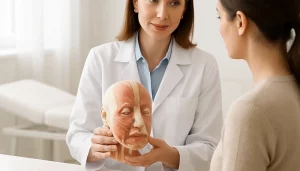
- Comprehensive Patient Evaluation: Prior to any recommendation, a good practitioner will assess your facial features, history, and realistic expectations.
- Product Quality: Only accept treatments with certified, traceable products. Ask about the origin and authorization.
- Personalization: Avoid “one-size-fits-all” protocols. Your face deserves a plan tailored to its unique balance and needs.
- Aftercare and Monitoring: Quality clinics offer support before, during, and after the procedure.
For more on what questions to ask and how to detect a safe clinic, read this guide on choosing safe aesthetic clinics.
Expected Benefits and Realistic Outcomes
Benefits vary by treatment and individual case. The main advantages of minimally invasive facial procedures include:
- Gradual, natural rejuvenation: Reduces signs of aging without creating artificial or overdone results.
- Improved self-confidence: Restores freshness and lightness to the facial expression without erasing natural features.
- Reduced downtime: Most non-surgical procedures require less recovery time and allow for a faster return to daily life.
However, not all treatments work the same for every person, and results depend on age, skin type, and initial condition. A professional must explain what each procedure can and cannot do.
Who Is a Good Candidate—and Who Should Postpone Treatment?
Responsible facial rejuvenation always starts with a complete medical evaluation. In general, good candidates are:
- Adults with early or moderate facial aging seeking subtle improvements
- People with realistic expectations and commitment to aftercare
- Individuals without serious uncontrolled medical conditions
Treatments should be postponed or avoided in cases of active skin infections, certain autoimmune diseases, allergies to treatment components, pregnancy, or people seeking ‘miracle’ or instant transformations.
How Is the Procedure Performed? General Process
- Pre-procedure Evaluation: A doctor reviews goals, anatomy, medical history, and consents.
- Treatment Day: Hygiene, anesthetic options, and minimally invasive techniques are used as appropriate.
- Immediate Post-procedure: Brief observation, post-care instructions, and timing of follow-up are set.
- Aftercare and Monitoring: Follow-up visits to ensure successful and gradual outcome, with guidance on any questions or adverse effects.
Always ask who will be performing your treatment and how you can communicate in case of questions or concerns after the procedure.
How Long Do Results Last? When Do You See the Final Effect?
- Botox: Typically 4-6 months; wears off gradually.
- Hilos PDO: Effects from 12 to 18 months, varying by thread type and individual response.
- Endolifting facial: Gradual improvement, with peak results at 3-6 months and lasting up to 18 months.
- Blefaroplastia no quirúrgica: Varied, but results often last 9–12 months.
Outcomes are influenced by lifestyle, sun exposure, genetics, and follow-up care. For tips on extending benefit duration, see this care and maintenance guide post-procedure.
Risks, Adverse Effects, and Security Measures
- Common mild reactions: Temporary redness, swelling, mild bruising, or tenderness at injection sites.
- Uncommon but important risks: Infection, asymmetry, allergic reactions, rare complications.
What signals should prompt immediate contact with your doctor? Intense, progressive pain, signs of infection (redness, increased warmth, pus), sudden vision changes, pronounced asymmetry, or severe allergic symptoms.
Ensuring your treatment is performed by a fully qualified medical professional with sterile practice is the most effective way to reduce risks. For scientific background on facial procedures and safety, review sources such as this comprehensive article on global facial approach.
Pre- and Post-Treatment Care
Following pre- and post-procedure recommendations is fundamental for optimal results:
- Before: Arrive with clean skin, disclose all current medications, avoid blood thinners (unless medically necessary and with doctor guidance).
- After: Avoid massaging or touching treated areas, protect from direct sunlight, apply recommended creams, avoid makeup or strenuous exercise until told otherwise.
- Long-term: Schedule control appointments, follow individualized advice, report any doubts promptly.
Your involvement in both preparation and aftercare makes a major difference.
Frequently Asked Questions about Comparing Facial Aesthetic Procedures
- Is it true that cheaper treatments are riskier? Lower cost sometimes reflects reduced product quality, lack of certifications, or minimal follow-up—all risk factors. Always check credentials and protocols, not just price.
- Do all patients get the same results from one procedure? No. Genetics, age, skin health, and detailed assessment all impact results.
- Can I combine treatments like hilos PDO and botox? In some cases, yes—but a facial specialist should assess compatibility. Individual plans are essential for safety.
- How do I verify a clinic’s medical authorization? Ask for certificates and registrations. In Bogotá and across Colombia, clinic and physician credentials must be visible and verifiable.
- Are there side effects from all aesthetic procedures? Mild, temporary effects (like swelling or bruising) are common. Serious reactions are rare in safe hands, but knowing warning signs is vital.
- Can I get a natural-looking result without drastic surgery? Yes: a combination of minimally invasive procedures, tailored to your features, can achieve subtle, lasting rejuvenation.
- When is the best time to seek facial aesthetic procedures in Bogotá? No specific ‘best’ season exists, but plan for lighter sun exposure and less travel immediately after, if possible.
- Do I have to keep repeating treatments? Maintenance is usually required for ongoing results, but your doctor will suggest a schedule adapted to your needs.
Conclusion: Responsible Choices for Healthy, Natural Facial Rejuvenation
Choosing an aesthetic facial procedure is much more than comparing prices or seeking quick fixes. Your health, safety, and satisfaction rely on expert assessment, in-depth information, and making decisions hand-in-hand with medically qualified professionals.
For a personalized valuation and to discover safe, natural options adapted to you, consult Dra. Deysi Torres M.. Empower yourself with information and take the next step toward confident, healthy facial rejuvenation.

clínica estética Bogotá, medicina estética cerca de mi, medicina estética en (ciudad), clínica estética Guaduas, medicina estética en Pasca, tratamientos estéticos confiables Ibague, rejuvenecimiento facial Villeta, tratamientos estéticos Sopo, armonización facial Nilo, clínica de medicina estética en Sogamoso